VIKTOR FIALA
- Project Manager
- CZ: + 420 602 423 811
- fiala@incubatoratlanta.com
ONDŘEJ ROLNÍK
- Managing Director
- US: +1 (404) 285-9882
- rolnik@incubatoratlanta.com

As wind and solar power expand rapidly worldwide, researchers are focusing on one of the key questions of the energy transition: how to integrate these sources effectively into the power grid. Wind turbines and solar panels have what economists call zero marginal cost, meaning that once installed, they do not require fuel to produce additional electricity. At the same time, their output depends heavily on weather conditions, which can create operational challenges for grid operators.
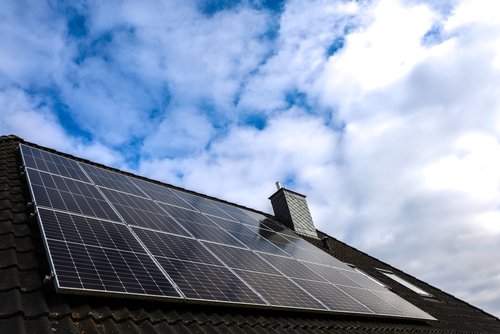
A new review study from Georgia Tech examines how these characteristics are reshaping electricity markets and grid operations. Published in Renewable and Sustainable Energy Reviews the study synthesizes more than a decade of research and analyses over 200 studies focused on the engineering, economic, and policy implications of managing renewable energy sources that are both intermittent and effectively zero-cost to operate.
According to Petr Šťastný from Flotier, the study points to an issue that is becoming increasingly important as renewable energy grows.
“This research clearly highlights one of the key challenges of renewable energy - not generation itself, but effective integration into the grid. At Flotier, we address this by shifting part of the solution directly to the building level, where energy is both generated and consumed. By combining rooftop wind with solar, we help naturally balance production across different conditions. This decentralized approach is especially relevant for the United States, where grid resilience is becoming a critical priority,” says Petr Šťastný from Flotier.
Source: Georgia Institute of Technology, citing a study published in Renewable and Sustainable Energy Reviews: Oliver, M. E. et al. (2026). Managing zero-marginal-cost, intermittent renewable energy: A survey of the engineering, economic, and policy challenges. https://doi.org/10.1016/j.rser.2025.116334